

Looking for a USB microphone that delivers studio-quality audio without an audio interface? The Shure MV7+ is the best overall pick for its dual XLR/USB versatility and broadcast-grade sound, the RØDE NT-USB Mini wins on budget with remarkable clarity under $100, and the Elgato Wave 3 is purpose-built for streamers who need real-time mixing.
Who This Comparison Is For#
- Podcasters and voice-over artists who want professional audio without investing in a full XLR setup
- Streamers and content creators who need plug-and-play USB with software control for live broadcasts
- Musicians and home recorders capturing vocals, acoustic instruments, or demos in an untreated room
How We Picked#
- Sound quality first: We prioritized microphones with flat frequency response, low self-noise, and natural vocal reproduction across speech and singing
- USB convenience: All three connect directly to a computer via USB-C — no audio interface, phantom power, or preamp required
- Build and longevity: Metal construction, quality connectors, and brands with track records of firmware support
- Software ecosystem: Companion apps that add real value (EQ, compression, gain control) without requiring them for basic operation
- Price-to-performance ratio: Each pick delivers audio quality that punches well above its price tier
Shure MV7+ — Best Overall#
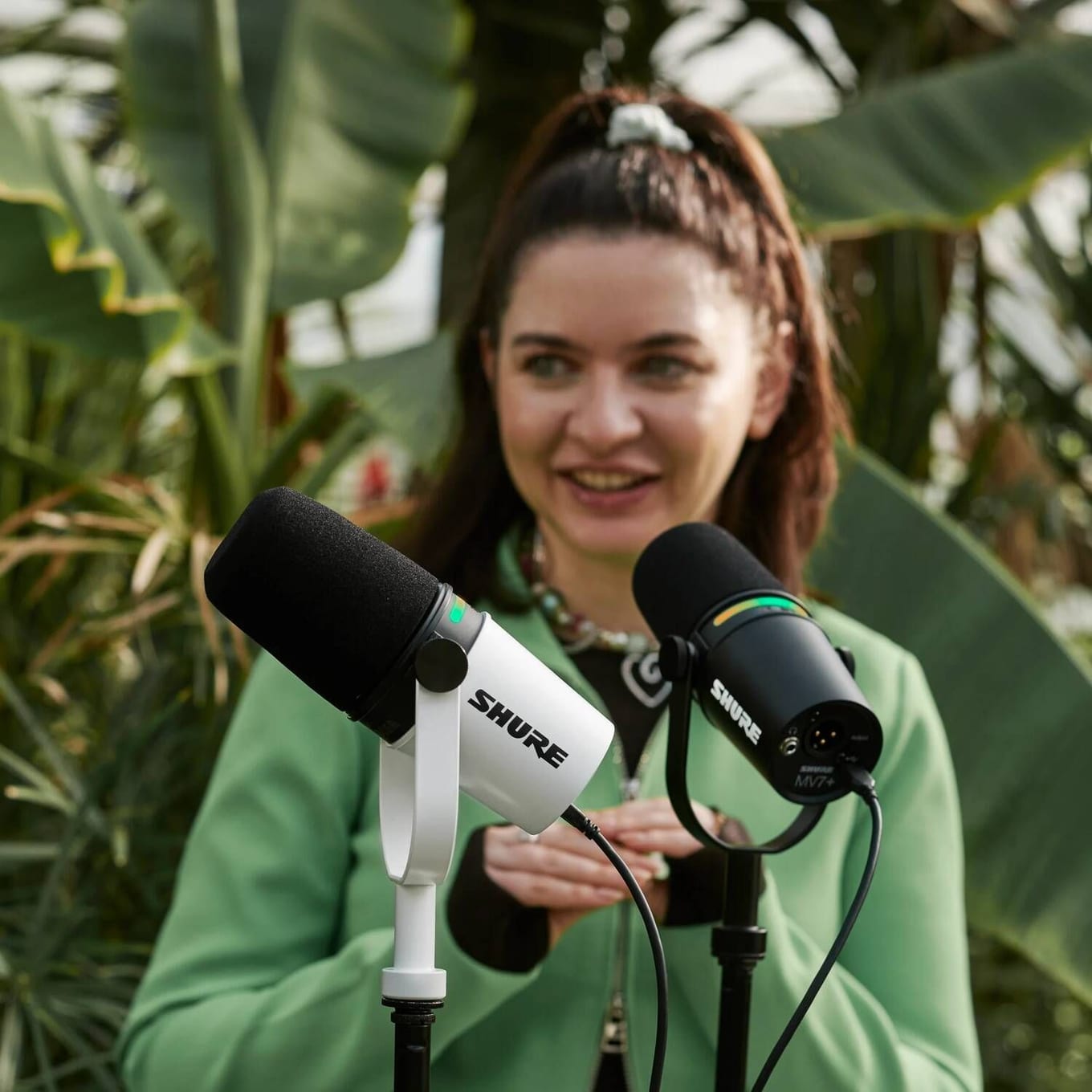
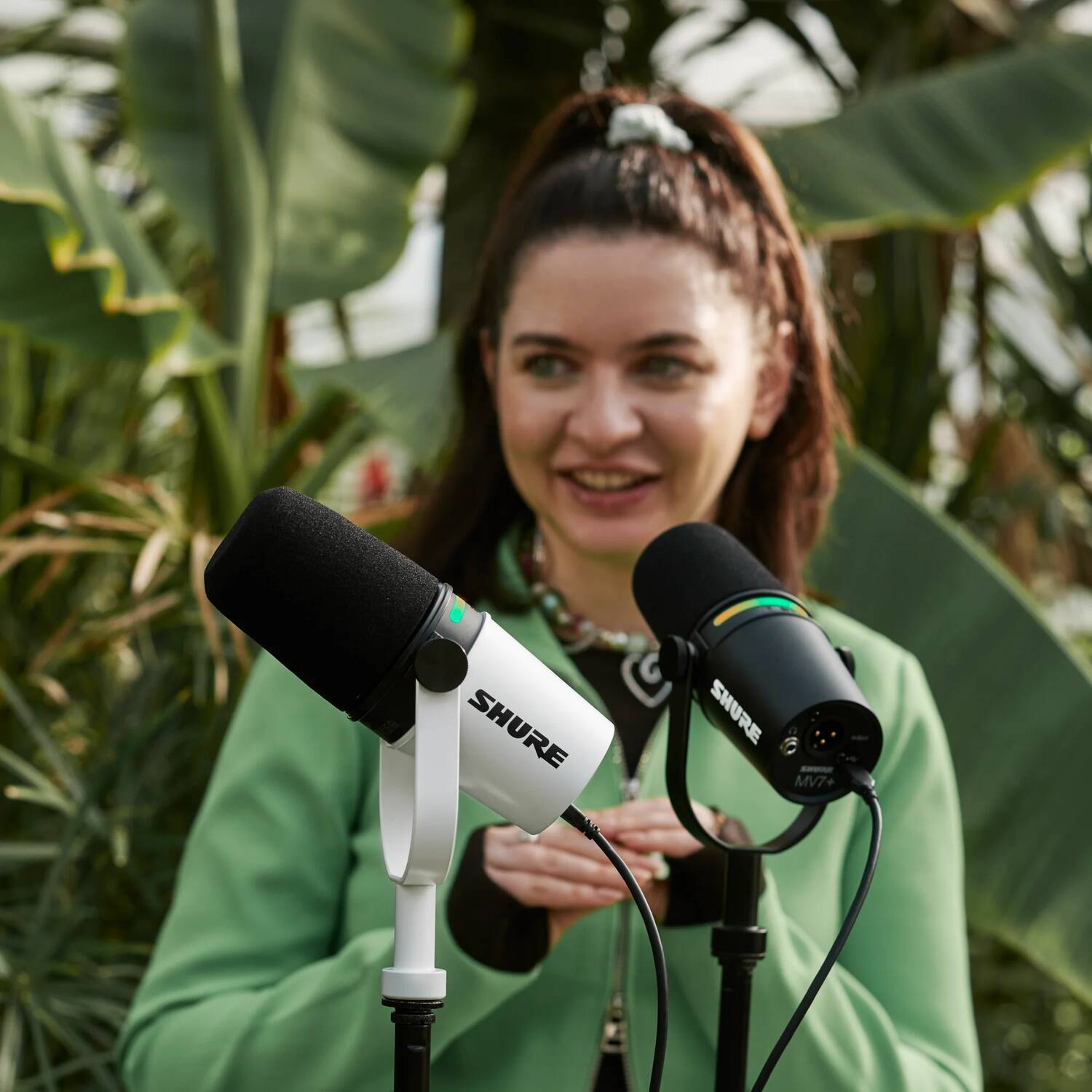
The Shure MV7+ is what happens when a company with 99 years of microphone engineering builds a USB mic. It uses the same dynamic capsule technology that made the SM7B a broadcast legend, packaged with dual USB-C and XLR connectivity so you can grow into a full studio setup without replacing your microphone.
The built-in touch panel lets you adjust gain, monitoring mix, and mute without reaching for software. Shure's MOTIV app adds AutoLevel technology that automatically adjusts your gain in real time — a lifesaver for podcasters whose energy level shifts mid-episode. The all-metal construction feels like a tool, not a toy, and the magnetic pop filter snaps on without threads.
Where the MV7+ truly separates itself is versatility. Start with USB today, switch to XLR when you add an interface later. The same microphone works for podcasting, voice-over, vocal recording, and conference calls without compromise.
Key Specs#
Capsule Type : Dynamic (moving coil)
Connectivity : USB-C + XLR (simultaneous or independent)
Sample Rate : 48 kHz / 24-bit (USB)
Frequency Response : 50 Hz – 16 kHz
Polar Pattern : Cardioid
Controls : LED touch panel (gain, monitor mix, mute)
Weight : 550g (mic body only)
Software : Shure MOTIV with AutoLevel, EQ, compressor, limiter
Bottom line: The only USB mic you'll never outgrow — broadcast-grade audio with a growth path to XLR.
Check our full Shure MV7+ review for the deep dive.
RØDE NT-USB Mini — Best Budget#
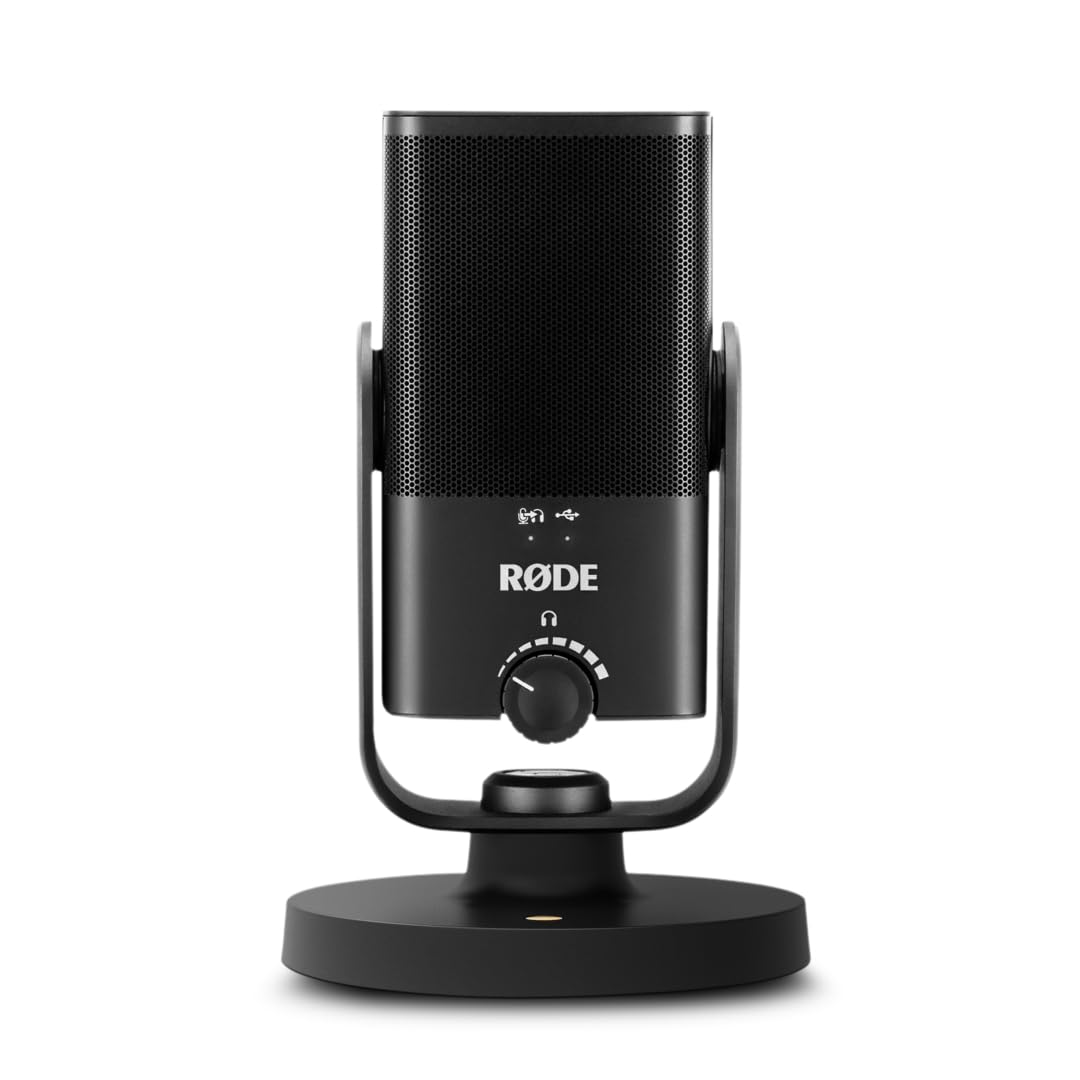
The RØDE NT-USB Mini proves you don't need to spend $200+ for genuinely impressive audio. This compact condenser captures vocals with a clarity and detail that embarrasses microphones twice its price. At under $100, it's the entry point that doesn't sound like an entry point.
The built-in magnetic desk stand keeps your setup minimal — no boom arm required for desk recordings, though the standard 3/8-inch thread fits any mount if you want one. The integrated pop filter handles plosives without an external screen, and the headphone jack with mix control lets you blend microphone input with computer audio for zero-latency monitoring.
RØDE Connect software (free) turns the NT-USB Mini into a surprisingly capable production tool. You can connect up to four NT-USB Minis simultaneously for multi-person podcasts — a feature that competitors charge premium prices for. The condenser capsule picks up more room detail than the MV7+'s dynamic element, which is a strength in treated spaces and a consideration in noisy environments.
Key Specs#
Capsule Type : Condenser (electret)
Connectivity : USB-C
Sample Rate : 48 kHz / 24-bit
Frequency Response : 20 Hz – 20 kHz
Polar Pattern : Cardioid
Controls : Headphone volume dial, zero-latency monitoring
Weight : 585g (with stand)
Software : RØDE Connect (free, multi-mic support up to 4 units)
Bottom line: Studio-grade clarity at a budget price — the smartest entry into USB recording.
Read our full RØDE NT-USB Mini review for more detail.
Elgato Wave:3 — Best for Streaming#
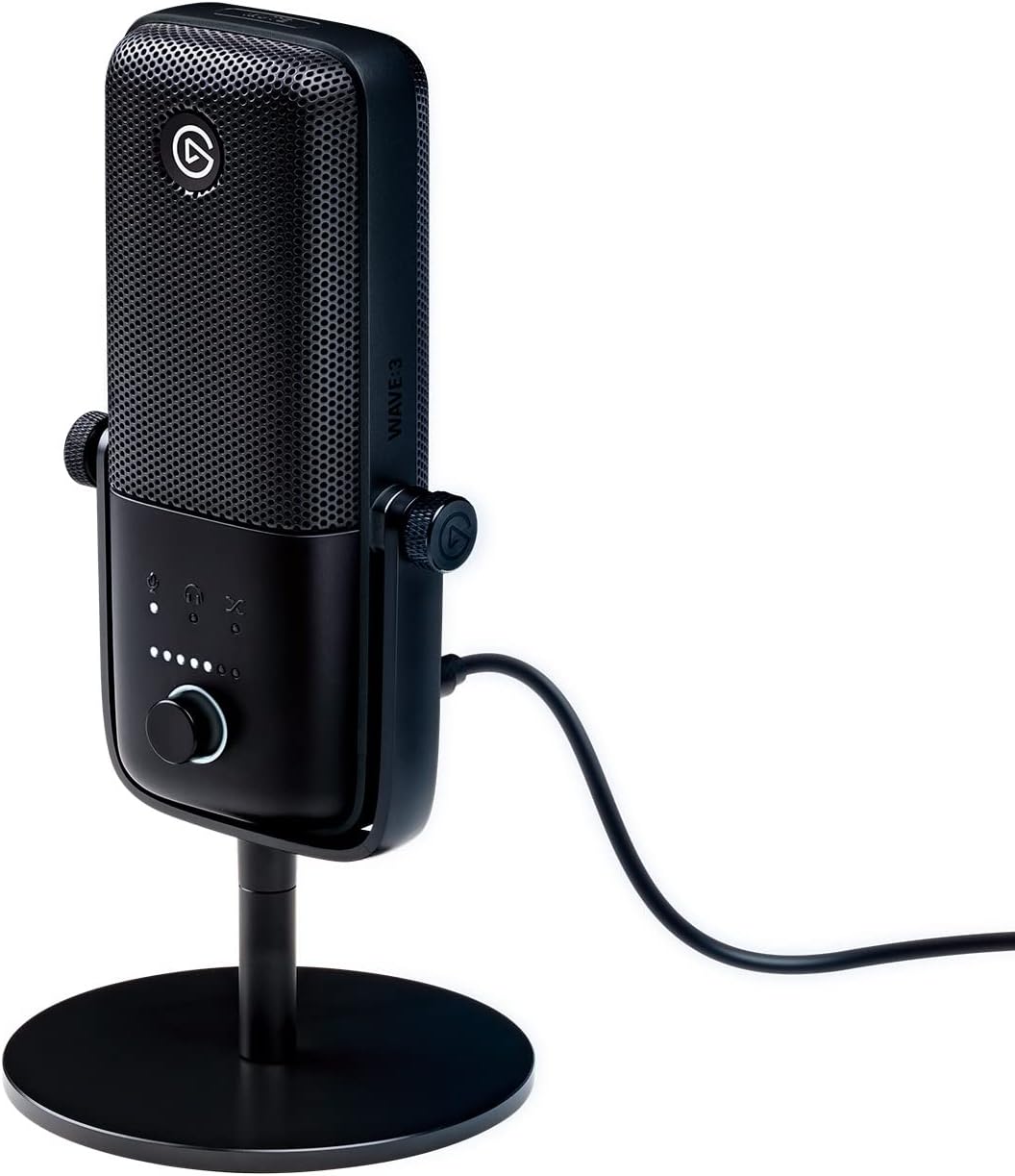
The Elgato Wave:3 was designed from the ground up for live content. Its signature feature is Clipguard — a proprietary dual-capsule system that uses a secondary signal path to prevent distortion when you suddenly shout, laugh, or slam your desk during a stream. Traditional microphones clip and distort; the Wave:3 seamlessly switches to the lower-gain path and keeps your audio clean.
Wave Link, Elgato's free mixing software, is the real differentiator for streamers. It creates up to nine independent audio channels — game audio, Discord, music, alerts, microphone — each with separate volume controls for your stream mix and your headphone mix. This is the kind of routing that previously required a physical mixer or expensive virtual audio cable software.
The capacitive mute button on top provides instant, silent muting with a visual LED ring — no click noise, no fumbling. Integration with the broader Elgato ecosystem (Stream Deck, Camera Hub, Key Light) makes it the obvious choice if you're already in that workflow.
Key Specs#
Capsule Type : Condenser (electret) with Clipguard dual-path
Connectivity : USB-C
Sample Rate : 96 kHz / 24-bit
Frequency Response : 70 Hz – 20 kHz
Polar Pattern : Cardioid
Controls : Capacitive mute, multifunction dial (gain/volume/mix)
Weight : 585g (with stand)
Software : Wave Link (9-channel virtual mixer, free)
Clipguard : Automatic distortion prevention via secondary signal path
Bottom line: The streamer's microphone — Clipguard and Wave Link solve problems other mics don't even acknowledge.
See our full Elgato Wave:3 review for the complete breakdown.
Which One Should You Buy?#
If you want the best audio quality with room to grow, get the Shure MV7+. The dual USB/XLR connectivity means this is the last microphone you buy before going fully professional. The dynamic capsule rejects background noise naturally, making it forgiving in untreated rooms, home offices, and apartments with street noise. It costs more upfront but eliminates the upgrade cycle.
If you're starting out and budget matters, the RØDE NT-USB Mini is the clear winner. It delivers 90% of the audio quality at roughly 40% of the price. The condenser capsule captures more detail and nuance than the MV7+'s dynamic element — in a quiet room, many listeners won't hear a difference. The multi-mic support through RØDE Connect is a bonus that grows with you as your podcast adds co-hosts.
If you stream live content — on Twitch, YouTube, or any platform where unexpected volume spikes happen — the Elgato Wave:3 solves a problem the other two can't. Clipguard eliminates distortion from shouts, desk slams, and sudden laughter without you touching a single control. Wave Link's 9-channel mixer replaces the need for Voicemeeter or a physical mixing board. If your audio goes live to an audience, this is the safest choice.
For pure voice recording — podcasts, audiobooks, voice-over — the MV7+ and NT-USB Mini are your finalists. For anything with a live audience, the Wave:3's safety net is worth the price.
FAQ#
Can I use these microphones with a phone or tablet?#
The Shure MV7+ and RØDE NT-USB Mini both work with iOS and Android devices via USB-C (or a Lightning adapter for older iPhones). The Elgato Wave:3 is designed primarily for desktop use — Wave Link software is macOS/Windows only, though basic USB audio works on mobile.
Do I need a boom arm or will the included stand work?#
All three include desktop stands that work for casual recording. For podcasting or streaming sessions longer than 30 minutes, a boom arm improves ergonomics and keeps the microphone closer to your mouth without hunching. The Shure MV7+ and Elgato Wave:3 use standard 5/8-inch threads; the RØDE NT-USB Mini uses 3/8-inch (adapters included with most arms).
Which microphone is best for noisy environments?#
The Shure MV7+ wins here. Its dynamic capsule naturally rejects off-axis sound — keyboard clicks, air conditioning, roommates — without needing noise gate software. Condenser microphones (the RØDE and Elgato) are more sensitive and pick up more ambient noise, which is great in quiet rooms but challenging in shared spaces.
Can I record music with these, or are they voice-only?#
All three handle vocals and acoustic instruments well. The RØDE NT-USB Mini has the widest frequency response (20 Hz – 20 kHz) and captures the most detail, making it the strongest pick for music. The Shure MV7+ adds warmth to vocals that many singers prefer. The Elgato Wave:3's 96 kHz sample rate provides the highest resolution recording, though the practical difference is subtle for most home recordings.
What's the difference between dynamic and condenser microphones?#
Dynamic microphones (Shure MV7+) use a moving coil to generate signal — they're rugged, reject background noise, and handle loud sources without distortion. Condenser microphones (RØDE NT-USB Mini, Elgato Wave:3) use a charged diaphragm — they capture more detail and nuance but are more sensitive to room noise. For untreated rooms, dynamic is safer. For quiet, controlled environments, condenser reveals more.
Do any of these need drivers or special software to work?#
No. All three are class-compliant USB audio devices — plug in and they appear as an audio input on macOS, Windows, and Linux. The companion apps (Shure MOTIV, RØDE Connect, Elgato Wave Link) add features like EQ, compression, and virtual mixing but are entirely optional for basic recording.