

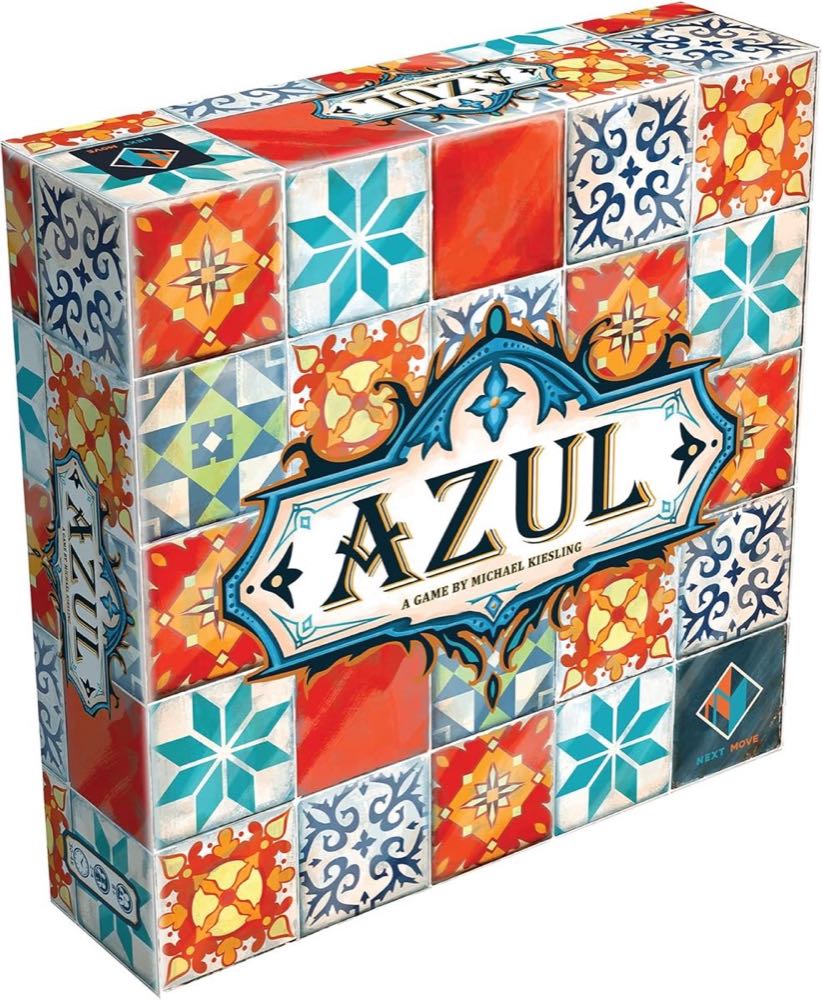
At a Glance#
The five decisions : How many people it plays and how well, how fast a new player is actually playing, how long a game runs against how different each one feels, the components and table presence, and the kind of interaction you want
The one most people get wrong : Shopping by the award sticker — a shelf of trophies tells you a game is good, not whether it fits the table you actually sit at
The spec that matters instead : Teach time and player-count fit — the two things that decide whether a game gets played twice or gathers dust
The quiet dealbreaker : Buying a cutthroat sabotage game for a table that wanted something calm, or a calm parallel puzzle for a group that wanted to gang up on the leader
Key Highlights:
- Player counts overlap on the box but not in practice; a 2-to-6 game is rarely equally good at both ends
- The fastest games to teach are demonstrated in a turn, not read from a rulebook
- Playtime and replayability are separate questions; a short box can still feel identical every time, or never the same twice
- Component feel is not decoration — heavy tiles and a moving board change how often a game hits the table
- The single biggest split is interaction: relaxing and parallel, or direct and mean
Who This Is For#
Board-game boxes are covered in numbers and badges, and almost none of them answer the only question that matters: will this get played at your table, with your people? A game that is perfect for a loud eight-person party is a poor buy for a quiet couple's weeknight, and no award sticker warns you about the mismatch.
Especially useful if you are:
- A first-time buyer stepping past Monopoly and Uno and unsure which "gateway" game to start with
- Someone buying for a specific table — two players, or a full crowd, or a mix of kids and grandparents
- A gift buyer who wants a safe pick and has no idea how heavy is too heavy
- A returning host who already owns one good game and wants the next one to cover a different night
1. Player Count and the Sweet Spot#
The number on the box is a range, not a promise. Almost every game has a count where it sings and counts where it merely functions, and knowing which is which is the first filter.
At the small end, some games are built for two. Azul plays two to four, but the two-player game is a precise, almost chess-like duel where you can read your opponent's plan; the four-player game is looser and more chaotic because the table changes completely before your turn returns. Ticket to Ride handles two to five and suits a typical family gathering. Harmonies runs one to four and — unusually — includes a genuine solo mode built into the base game, so it never sits waiting for a group.
At the large end, the story flips. Codenames technically supports two using a cooperative variant, but it is the weakest pick there; it truly comes alive at six, eight, or more, split into two competing teams so a whole room is involved. Exploding Kittens: The Board Game seats up to six — one more than the original card game's five — and is at its best with four or more, because two-player races feel less chaotic than the pop-up board wants them to be.
Our recommendation: decide your real, recurring player count before anything else. A quiet two-player household should ignore the party games no matter how many awards they carry; a crowded, loud room should start with the game that scales to it. If two players is the whole point, the field narrows fast — we sort that class in best two-player board games for couples.
2. Teach Time, Rules Weight, and What the Award Badges Actually Tell You#
The best game in the world is worthless if you can never get it to the table, and the barrier is almost always the teach. The question is not how deep a game gets but how fast a new player is playing it.
The strongest gateway games are demonstrated, not lectured. Azul's entire rulebook teaches in about five minutes — you take all tiles of one color from a factory display, place them on a pattern line, and new players grasp a full turn in one round. Exploding Kittens: The Board Game also teaches in roughly five minutes, so new players are racing in the first game. Harmonies takes only a few minutes to explain. Ticket to Ride is nearly as simple, built on collecting cards and claiming routes. Codenames needs slightly longer because of the spymaster role, but most groups understand it within one practice round.
This is where the award badges belong — as evidence, not as a criterion of their own. A Spiel des Jahres win (Azul, 2018; Ticket to Ride, 2004; Codenames, 2016) is Germany's family-game-of-the-year prize, and it is genuinely useful information: it is a signal that a game teaches fast and works across mixed ages, because that is exactly what the award rewards. But other badges tell you less about fit. Exploding Kittens: The Board Game is a 2026 Game of the Year from the Toy of the Year Awards, and Harmonies took a 2024 Golden Geek Medium Game of the Year plus a Spiel des Jahres recommendation. Those are real honors and they narrow the field, but a trophy for "best toy" or "best medium-weight game" says nothing about whether the game matches your table, your player count, or your group's appetite for conflict. Read a badge as a teach-time-and-fit hint, then keep going — it is never the reason to buy on its own.
Our recommendation: if a new player has to sit through a rulebook, the game will get played less. Favor the ones you can teach by doing a turn. Treat a Spiel des Jahres badge as a reliable "teaches fast, plays wide" flag, and treat every other award as a nudge rather than an answer.
3. Playtime and Replayability#
These feel like one question and are actually two. Box length tells you whether a game fits your evening; replayability tells you whether you will still want it in a year.
On length, the spread is wide. Codenames runs about fifteen minutes a round, short enough to be a warm-up, a filler between bigger games, or the whole night. Exploding Kittens: The Board Game runs about twenty minutes. Harmonies and Azul both land around thirty minutes — Azul stretching to forty-five — short enough for a school night and good enough to immediately deal again. Ticket to Ride is the longest here at thirty to sixty minutes depending on player count.
Replayability is the separate axis. A short game can still feel identical every time; these do not. Azul's tile drafting creates a fresh optimization puzzle each play, with no luck-of-the-dice swings. Codenames draws from 200 double-sided word cards, so the grid is never the same. Harmonies keeps only a handful of its 42 animal cards in play at once, so the objectives shift constantly and it survives dozens of plays without feeling solved. Exploding Kittens: The Board Game flips its board and deals its 65 Action Cards differently every time, so no two races play out alike. Ticket to Ride changes with every hand of route cards and every rival blocking your path.
Our recommendation: match the box length to the evening you actually host — a filler for crowded nights, a thirty-minute strategy game for a focused table. Then check that the variety comes from something structural, like a big card pool or a changing board, not just a reshuffle. All five here clear that bar; many lighter games do not.
4. Component Quality and Table Presence#
Components are not decoration. The physical feel of a game is a large part of why it gets pulled off the shelf, and a satisfying box beats a clever one that feels cheap.
Azul is the clearest case. Its 100 tiles are made from a dense, bakelite-like resin that feels closer to bathroom ceramic than typical cardboard or plastic bits, with real weight and a satisfying click; drawing a fistful from the cloth bag is a tactile pleasure, and the finished azulejo-patterned wall genuinely looks like mosaic art. Harmonies builds its whole appeal on 120 chunky wooden tokens in six colors that you physically stack into little hills, trees, and buildings, turning a flat grid into a small three-dimensional landscape. Exploding Kittens: The Board Game centers on a pop-up board engineered to physically flip and reconfigure mid-game, plus six chunky illustrated standees built to survive kid handling — presence that most family games at its price cannot match.
The others lean on presence in quieter ways. Ticket to Ride's chunky plastic trains make claiming a route feel satisfying every single time across its North American map. Codenames deliberately owns almost nothing — just a grid of word cards and key cards — which is the point: it packs down small and turns a crowded room into two teams in seconds.
Our recommendation: handle the thing, or at least picture handling it. A game that feels good in the hand — heavy tiles, stackable tokens, a board that moves — earns its shelf space by getting played. If footprint and portability matter more than heft, the minimalist boxes win instead.
5. Theme, Interaction, and Who It Is For#
The last decision is the one buyers skip and regret most: how much the game lets players mess with each other. This single axis separates a relaxing night from a shouting match, and neither is wrong — but the mismatch is miserable.
At the gentle end sits Harmonies. It is calm, colorful, and low-conflict; multiplayer is largely parallel and non-interactive by design, so everyone tends their own landscape. That is a feature for a couple or a mixed table who want to think without fighting, and a drawback for anyone who craves direct conflict. Azul sits a step up: there is real tension, because taking the tiles you need can hand a rival the color they were waiting for, but it never turns mean and carries zero reading or language dependency, which makes it a safe pick for mixed-age and international groups.
At the sharp end, interaction is the whole game. Exploding Kittens: The Board Game runs on push-your-luck and take-that sabotage — its Action Cards let you slow rivals, set traps, and form alliances that collapse the moment someone nears the finish, which keeps trailing players in it but can frustrate kids who dislike being knocked back. Codenames is pure social pressure, the tension between a clue that is clever and a clue that is clear, and it leans hard on English vocabulary. Ticket to Ride threads the needle with a touch of friendly "take that" when someone grabs the route you needed, without ever turning cutthroat.
Our recommendation: be honest about your group's appetite for conflict. A table that wants to relax should avoid the sabotage games no matter how funny they look; a group that loves ganging up on the leader will find a parallel puzzle flat. If you want a broader survey of the classic mid-weight negotiators, the Catan review covers a heavier, more interactive option than anything on this list.
Five Games, Five Different Answers#
None of these is better in the abstract; each resolves the five decisions differently, which is exactly why the "best board game" question has no single answer.
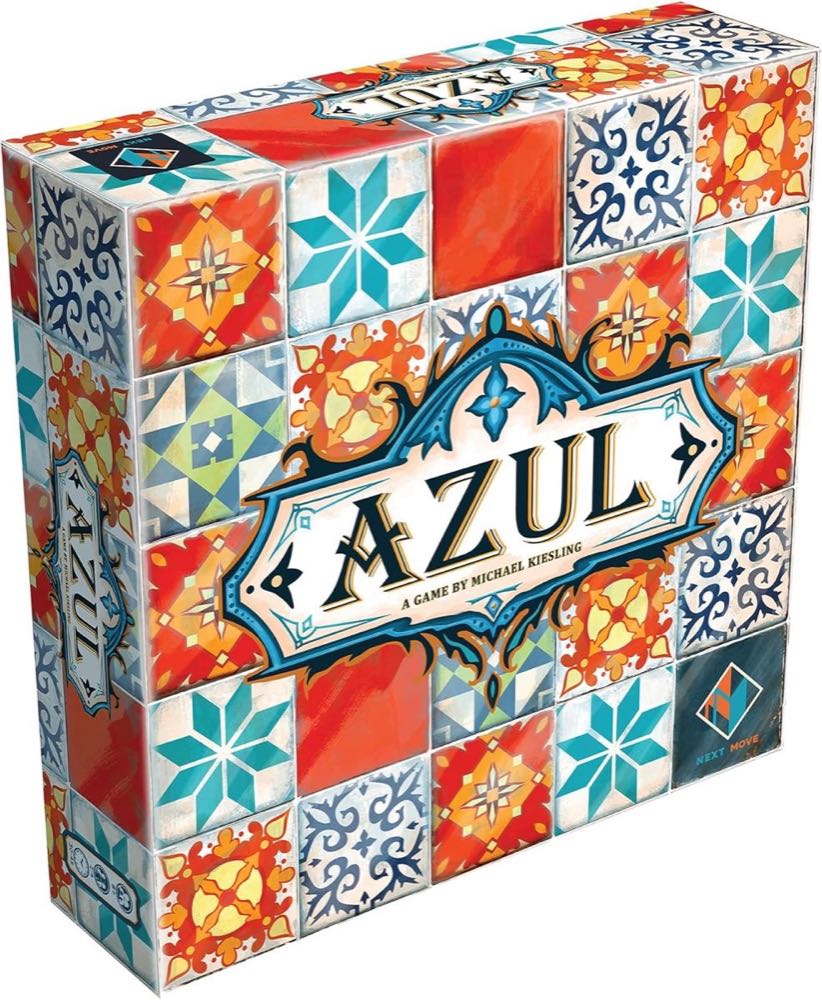
Azul is the elegant-strategy answer: two to four players, a five-minute teach, thirty to forty-five minutes, premium resin tiles, and gentle tension with no reading required. It is the 2018 Spiel des Jahres winner and the safe gift almost nobody dislikes — sharpest as a two-player duel, still good at four: View on Amazon
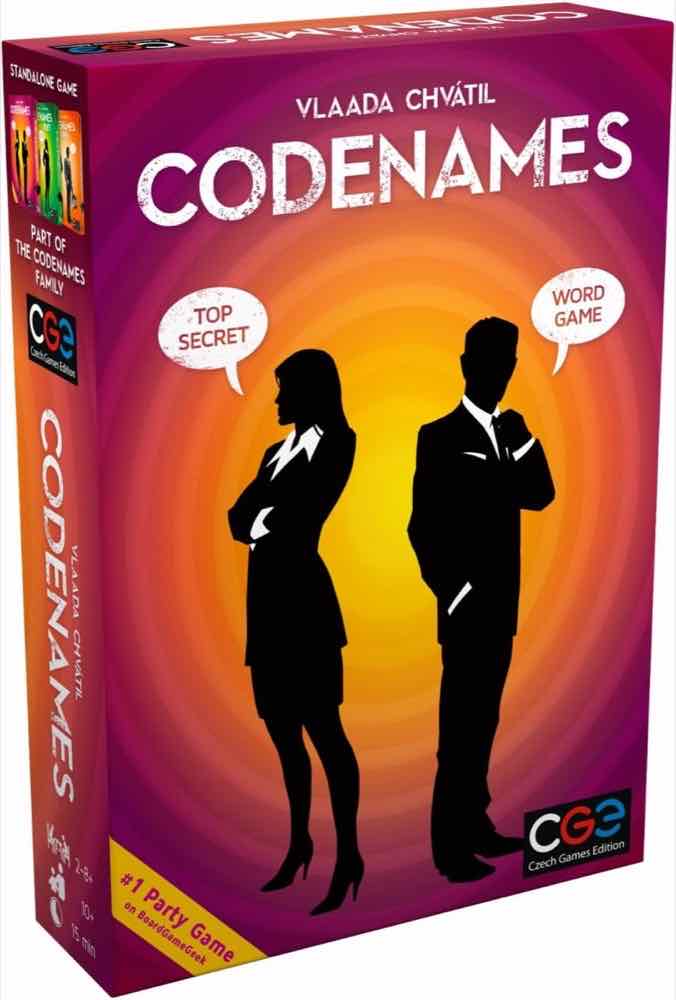
Codenames is the big-crowd answer: it scales to a whole loud room in two teams, teaches in a practice round, plays in fifteen minutes, packs down to almost nothing, and lives entirely on word association. A 2016 Spiel des Jahres winner and the pick to reach for when the room is crowded and the night is loud: View on Amazon
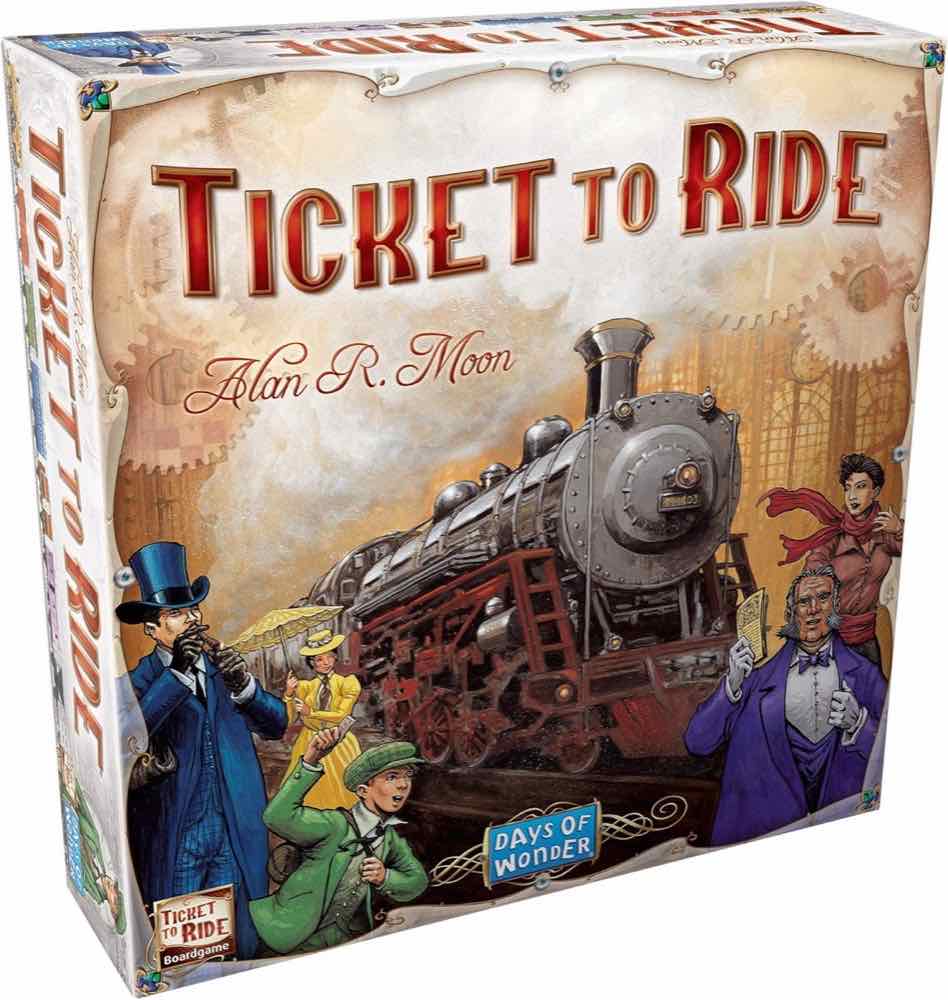
Ticket to Ride is the mixed-ages answer: two to five players, one shared simple ruleset an eight-year-old and a grandparent both enjoy, thirty to sixty minutes, chunky trains, and friendly-not-mean route-blocking. The 2004 Spiel des Jahres winner that effectively launched the gateway category: View on Amazon
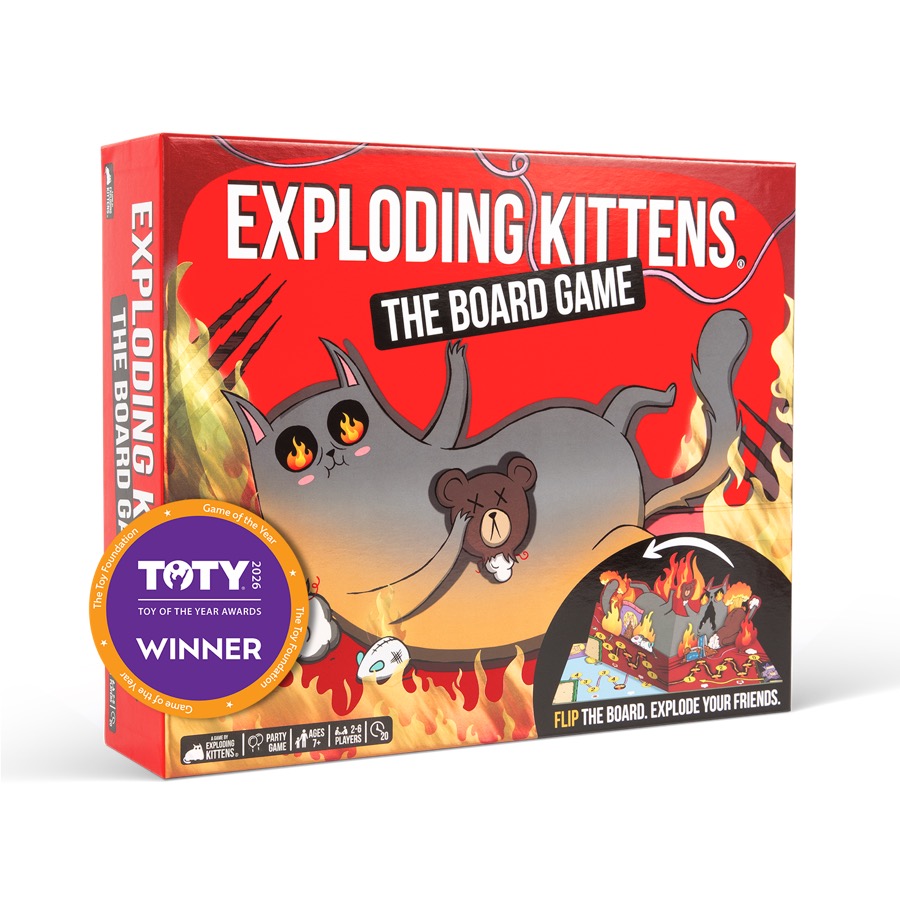
Exploding Kittens: The Board Game is the chaotic-party answer: up to six players, a five-minute teach, twenty-minute races, a pop-up board that flips from Calm to Chaos, and sabotage-heavy Action Cards. Note this is the standalone board game — a full physical track, standees, and a flipping board — and is a different product from the original card game; owning that Russian-roulette deck does not mean you own this. If you want the deck-only filler instead, see the Exploding Kittens original card game review. The 2026 Game of the Year is the go-to for larger groups: View on Amazon
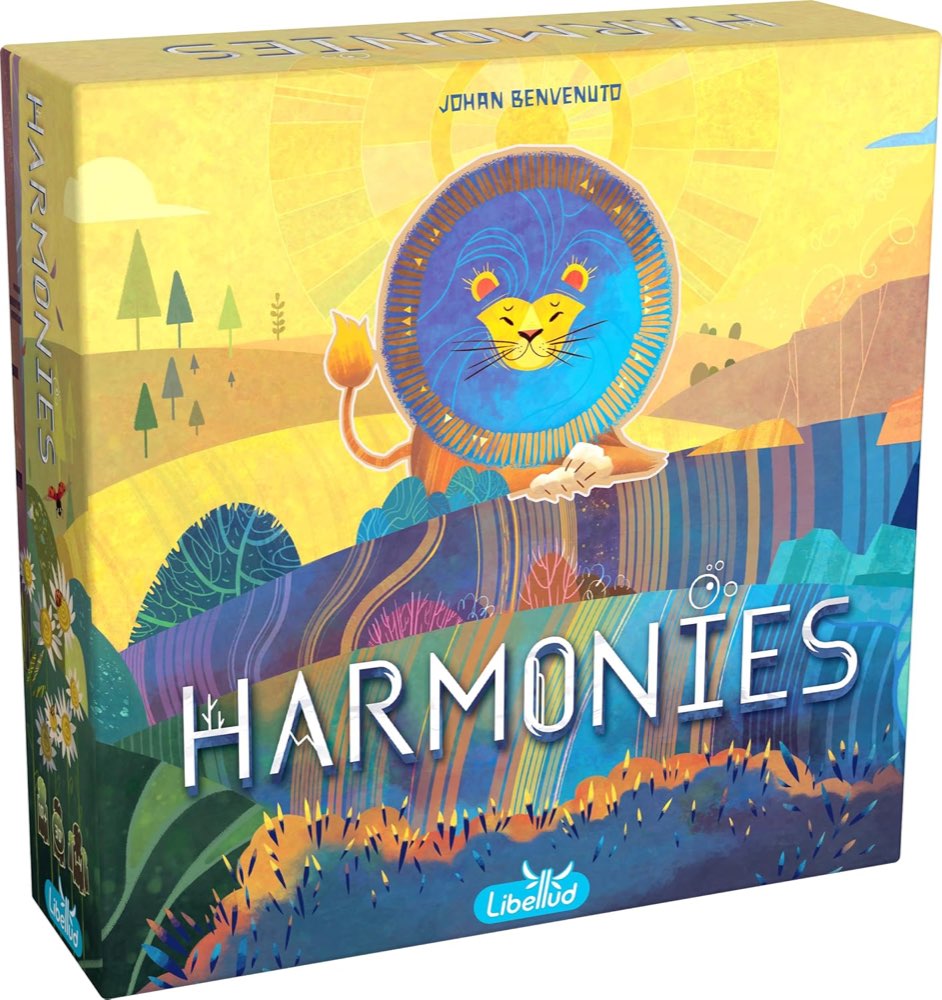
Harmonies is the calm-and-beautiful answer: one to four players with a real solo mode, a few minutes to teach, about thirty minutes, 120 stackable wooden tokens that build a 3D landscape, and low-conflict parallel play. A 2024 Golden Geek Medium Game of the Year with a Spiel des Jahres recommendation, and the pick when the table wants to think without fighting: View on Amazon
How to Choose in Five Minutes#
Start with player count. Decide the number you actually host most weeks. A quiet two means Azul or Harmonies; a loud crowd means Codenames; a mix of kids and grandparents means Ticket to Ride; a rowdy four-to-six means Exploding Kittens.
Then check the teach. If a new player has to read rather than watch, expect it to hit the table less. Every pick here is demonstrated in about five minutes — trust that over any award badge, and read a Spiel des Jahres sticker as the one badge that actually predicts a fast, family-friendly teach.
Then match length to your evening, and confirm the replay value comes from something structural — a deep card pool or a changing board — not a reshuffle.
Then handle the components in your mind: heavy tiles, stackable tokens, and a moving board earn their keep by getting played; a minimalist box wins if you need it to travel.
Finally, be honest about interaction. A table that wants calm should skip the sabotage games; a group that loves ganging up on the leader should skip the parallel puzzle. Get that last one wrong and no amount of quality saves the night.
If the answer came out "one game, teaches in five minutes, gorgeous on the table, and nobody dislikes it" — that is Azul, and it is the one most tables should buy first: View on Amazon