

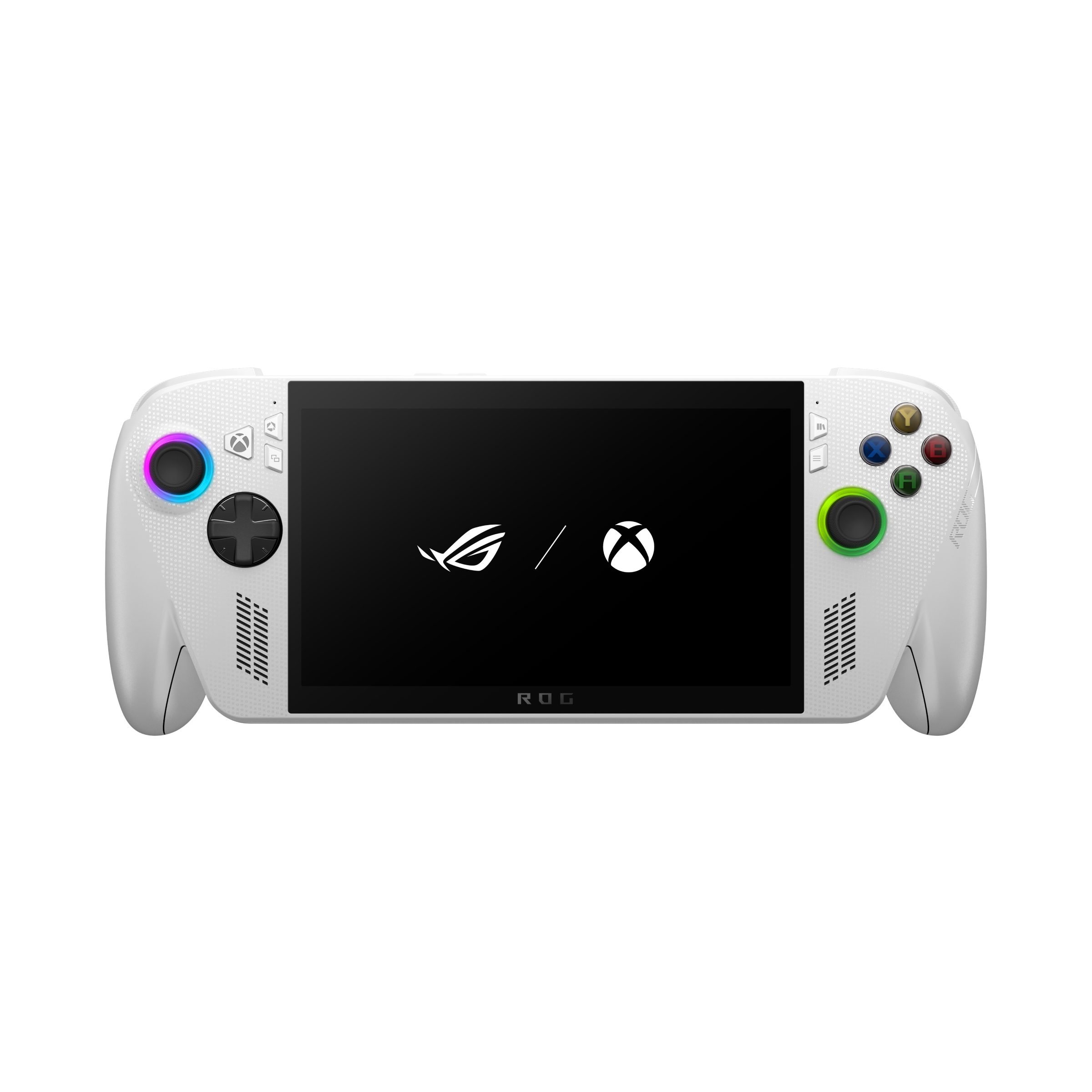
The best microSD card for the ROG Xbox Ally is the Samsung PRO Plus 512GB, thanks to its A2 speed rating and strong value. The SanDisk Ultra 256GB is the best budget pick, and the SanDisk GamePlay 1TB is the best choice for huge game libraries.
The ROG Xbox Ally and Ally X ship with either 512GB or 1TB of internal storage, and modern Xbox and Steam titles routinely eat 80-150GB each. A single microSD card doubles or triples your library without opening the handheld or reinstalling Windows. ASUS fits both models with a UHS-II microSD card reader, which is fully backward compatible with the UHS-I cards below. The 2026 ROG Xbox Ally X20 swaps that for a microSD Express reader, but ASUS's own spec line for it names UHS-I mode as well, so the cards below still fit it — for Express speeds, see our roundup of microSD Express cards for the ROG Xbox Ally X20.
This comparison cuts through the memory-card marketing noise and picks three cards that actually matter for handheld gaming: one all-round value winner, one wallet-friendly starter, and one massive-capacity card for people who never want to uninstall a game again.
Who This Comparison Is For#
- ROG Xbox Ally and Ally X owners who filled their internal SSD faster than expected and need overflow storage for their game library.
- New handheld buyers setting up the device for the first time who want to add a card on day one instead of juggling installs later.
- Travelers and commuters who want their entire rotation of games on the device, offline, with no cloud downloads at the airport.
How We Picked#
- Speed rating that matters for games. We prioritized the A2 application-performance class (faster random reads) and U3/V30 marks where possible, since game loading depends on random access, not just sequential throughput.
- Real handheld compatibility. Every card here is a standard microSDXC card that drops straight into the Ally's UHS-II reader, so there are no surprises at setup.
- Proven reliability at scale. We stuck to Samsung and SanDisk, two established memory-card brands that back these cards with 10-year or lifetime limited warranties, rather than unknown high-capacity cards that fail early.
- A card for every budget and library size. The three picks span from an affordable 256GB starter to a 1TB card that holds dozens of full-size titles.
- Sensible price-to-capacity. We avoided paying a steep premium for marginal speed gains you would never feel while gaming.
Samsung PRO Plus 512GB — Best Overall#
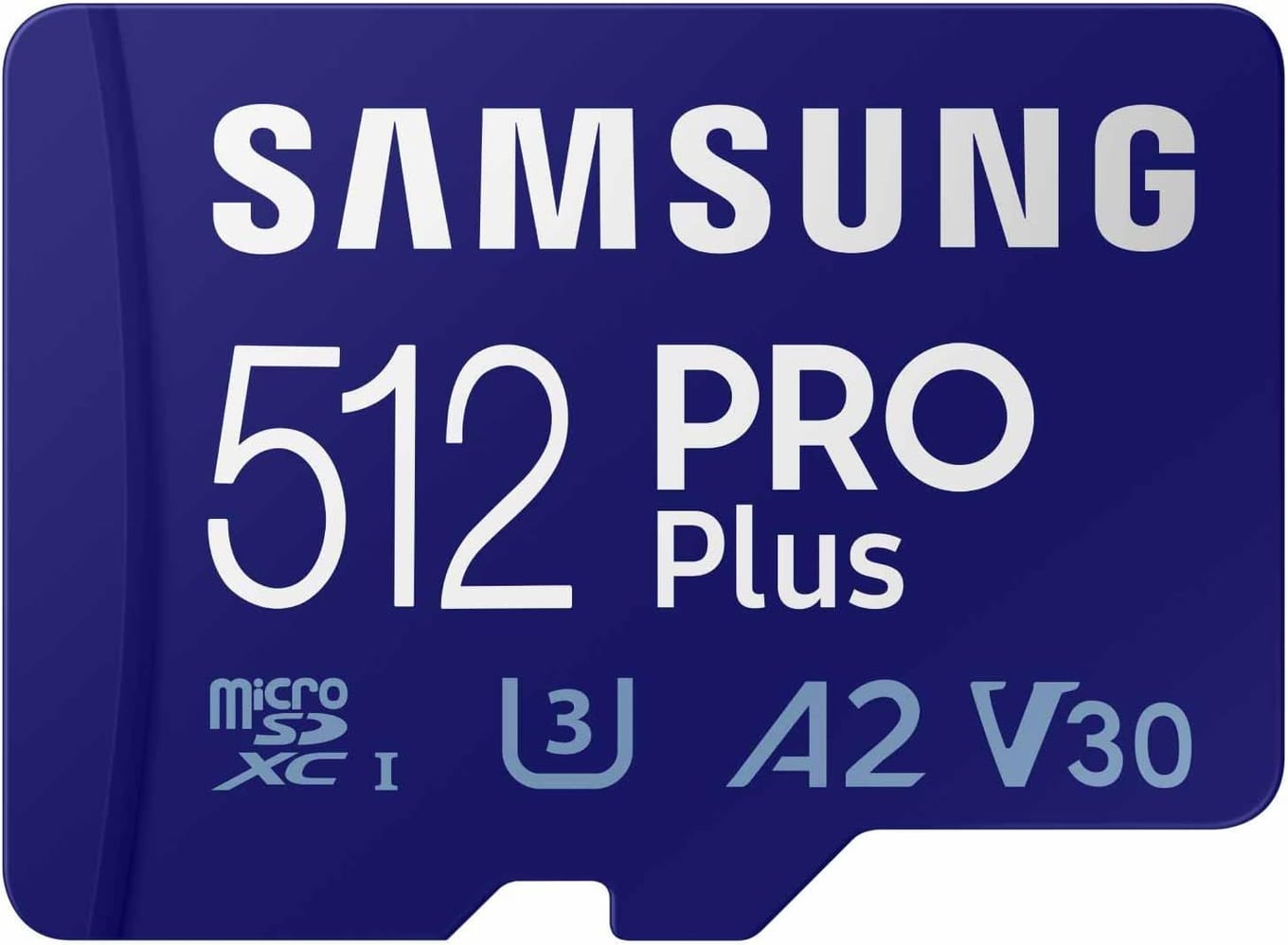
The Samsung PRO Plus 512GB hits the sweet spot for the ROG Xbox Ally. It pairs a genuinely fast A2 rating with a capacity large enough for a serious rotation of games, at a price that does not feel punishing. For most people, this is the card to buy and forget about.
Where cheaper cards cut corners on random-read performance, the PRO Plus carries the A2 application class that keeps game menus and level loads snappy. Sequential reads run up to 180 MB/s, so large game installs and updates copy over quickly rather than leaving you staring at a progress bar. Samsung also backs it with a 10-year limited warranty and the usual water, temperature, X-ray, magnet, and drop protection, which matters for a card that lives in a device you toss in a bag.
At 512GB, it comfortably holds several AAA titles plus a stack of indies. That is enough to keep your current rotation resident on the card without constant uninstalling. If you want a single upgrade that balances speed, space, and cost, this is it.
Key Specs#
Capacity : 512GB (microSDXC), also sold in 128GB, 256GB and 1TB
Read Speed : Up to 180 MB/s sequential
Write Speed : Up to 130 MB/s sequential
Speed Class : UHS-I, Class 10, U3, V30, A2
Included : Full-size SD adapter
Durability : Water, temperature, X-ray, magnet, drop, and wearout protection
Warranty : 10-year limited
Bottom Line#
The best all-round microSD card for the ROG Xbox Ally: fast enough for smooth loads, roomy enough for a real library, and priced sensibly.
SanDisk Ultra 256GB — Best Budget#
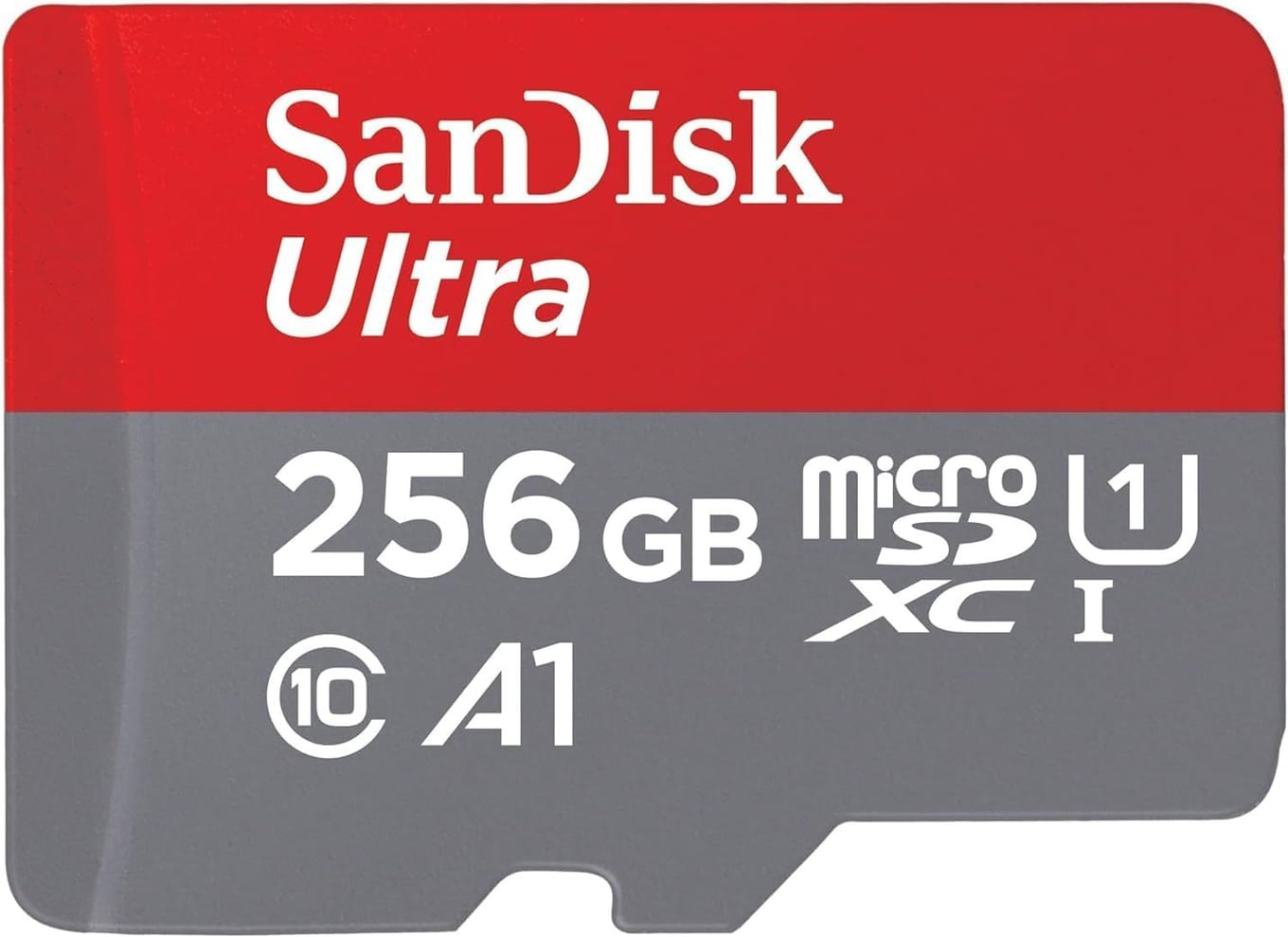
The SanDisk Ultra 256GB is the smart starter card when you want more space without spending much. It is the cheapest pick here that still deserves a spot in your Ally, and for a lot of players 256GB of overflow storage is plenty.
Be clear-eyed about the trade-off: the Ultra carries an A1 rating rather than A2, so random reads are slower than the other two cards. In practice that can mean marginally longer load screens on the most demanding titles. For lighter, indie, and older games, though, the difference is hard to notice, and sequential reads still reach up to 150 MB/s so installs and updates move along fine.
What you are really buying is capacity per dollar. If your goal is to move a handful of games off the internal drive so you stop hitting "storage full," the Ultra does that job for the least money. It is also the easiest card to justify buying two of. If you outgrow it, you can graduate to the Samsung PRO Plus above or the 1TB GamePlay card below.
Key Specs#
Capacity : 256GB (microSDXC), also sold up to 1.5TB
Read Speed : Up to 150 MB/s sequential
Speed Class : UHS-I, Class 10, U1, A1
Video Rating : Full HD ready
Included : Full-size SD adapter
Warranty : 10-year limited
Bottom Line#
The budget card to grab if you just need more room for less money, with the honest caveat that its A1 rating trails the A2 picks on the heaviest games.
SanDisk GamePlay 1TB — Best for Big Libraries#
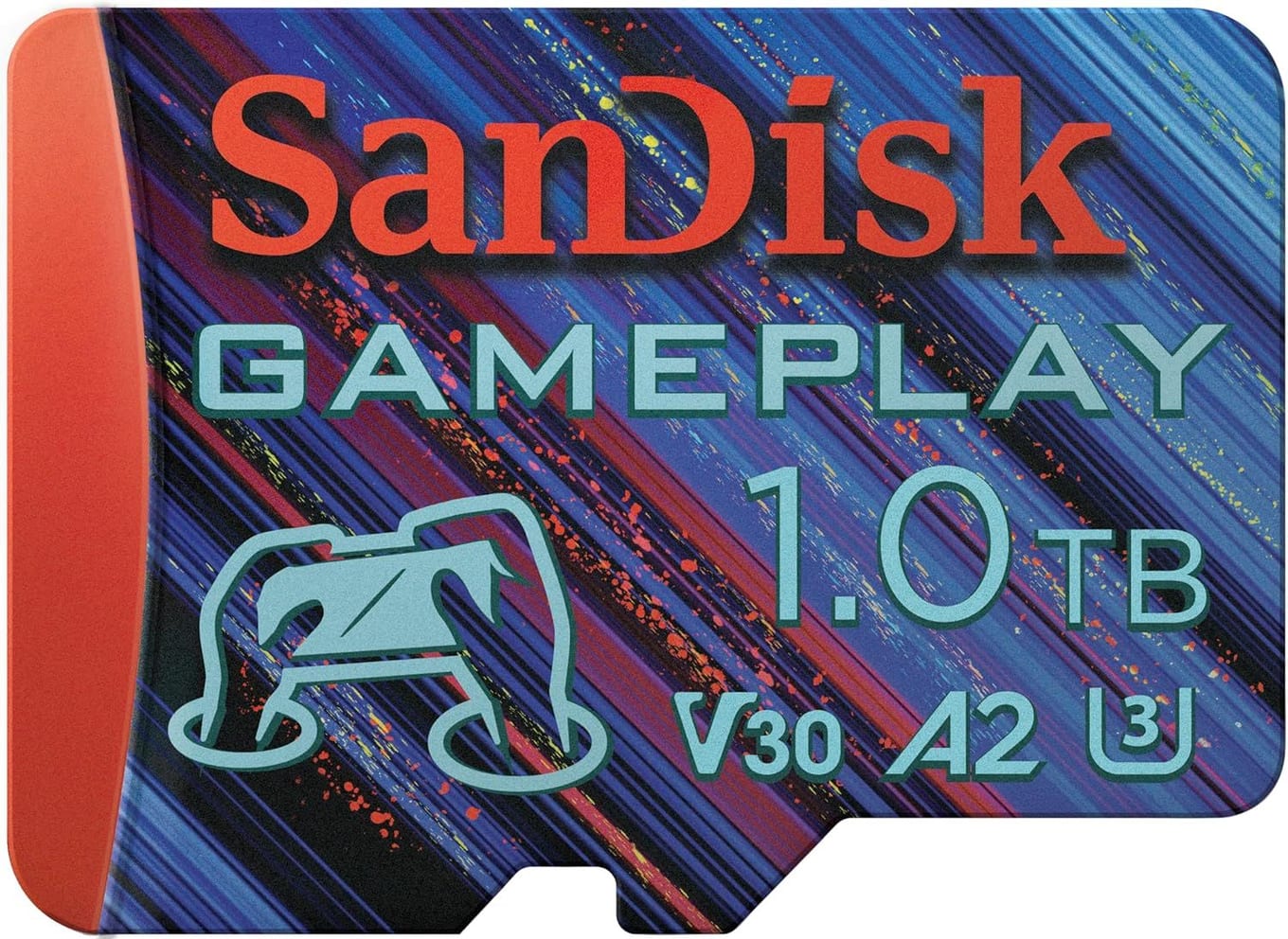
The SanDisk GamePlay 1TB is built specifically for handheld gaming, and it is the pick for players who want their entire library on the device at once. If you are the type who hates uninstalling anything, this is your card.
The GamePlay line targets consoles and handhelds directly, with sequential reads up to 190 MB/s and an A2 rating for the fast random access that game loading leans on. That combination makes it a natural match for the ROG Xbox Ally's card reader. A full terabyte holds dozens of full-size AAA installs, so you can carry a Game Pass rotation, a Steam backlog, and your emulation collection without ever thinking about space.
Yes, you pay more for 1TB than for the smaller cards, but the price-per-gigabyte is often better than you expect at this capacity, and you skip the hassle of shuffling installs forever. If you also plan to expand the internal drive, note that ASUS specifies an M.2 2280 SSD in both the ROG Xbox Ally and the Ally X, not the shorter 2230 stick used by the Steam Deck and the original ROG Ally — our Best M.2 2230 SSDs for Steam Deck & ROG Ally comparison covers those older handhelds.
Key Specs#
Capacity : 1TB (microSDXC), also sold in 128GB, 256GB and 512GB
Read Speed : Up to 190 MB/s sequential
Write Speed : Up to 130 MB/s sequential
Speed Class : UHS-I, Class 10, U3, V30, A2
Designed For : Handheld consoles and mobile gaming
Warranty : Limited lifetime
Bottom Line#
The best card for players who want a massive, no-compromise library on the Ally and are happy to pay for the headroom.
Which One Should You Buy?#
If you want one card that gets everything right, buy the Samsung PRO Plus 512GB. Its A2 speed, roomy capacity, and fair price make it the default recommendation for the ROG Xbox Ally, and it is the pick most owners will be happiest with long-term.
If you are watching your budget or just need to clear a "storage full" warning, the SanDisk Ultra 256GB is the sensible starter. Accept that its A1 rating loads the heaviest games a touch slower, and it will serve lighter libraries very well for the least money.
If your backlog is enormous and you never want to uninstall a game, go straight for the SanDisk GamePlay 1TB. It is purpose-built for handhelds, fast where it counts, and holds dozens of full-size titles so your whole rotation lives on the device.
Still deciding on the device itself? The Ally X's larger internal drive reduces how urgently you need a card, while the base Ally benefits most from adding one on day one.
FAQ#
Which microSD card is best for the ROG Xbox Ally?#
For most owners, the Samsung PRO Plus 512GB is the best overall pick because it combines an A2 speed rating, a generous 512GB capacity, and a fair price. Choose the SanDisk Ultra 256GB to save money, or the SanDisk GamePlay 1TB if you want the largest library.
Does the ROG Xbox Ally support UHS-II microSD cards?#
Yes. ASUS lists a UHS-II microSD card reader on both the ROG Xbox Ally and the Ally X, and a UHS-II reader is fully backward compatible with UHS-I cards. All three cards here are UHS-I, which is more than quick enough for smooth game loading.
What size microSD card should I get for the Ally?#
It depends on your library. 256GB is a fine starter for a handful of games, 512GB comfortably holds a serious rotation of AAA and indie titles, and 1TB is for players who want dozens of full-size games resident at once. ASUS does not publish a maximum card size, and all three picks here sit comfortably inside the microSDXC range the reader supports.
Does A1 versus A2 actually matter for handheld gaming?#
It can. The A2 rating means faster random reads, which is exactly what games rely on when loading levels and menus. On the most demanding titles you may notice slightly longer load screens on an A1 card like the SanDisk Ultra, while A2 cards like the Samsung PRO Plus and SanDisk GamePlay stay snappier.
Can I install and run games directly from a microSD card on the Ally?#
Yes. The ROG Xbox Ally runs Windows, so you can install games from Steam, the Xbox app, and other storefronts directly to the microSD card and launch them from there. A faster A2 card gives the best experience for demanding titles.
Do I need to format the microSD card before using it?#
It is good practice to format a new card in the device itself so it uses a clean, compatible file system. The cards here ship ready to use, but formatting on the Ally first clears any leftover partitions from a previous device.